
Introduction
In today’s digital world, application servers play a crucial role in powering modern web applications. From online banking systems to e-commerce platforms, application servers act as the backbone that processes business logic and delivers dynamic content.
While web servers handle static files like images and HTML pages, application servers go a step further by executing complex operations and connecting users to backend systems.
In this guide, you’ll learn everything about application servers, including their definition, working, features, benefits, examples, and future trends.
What is an Application Server?
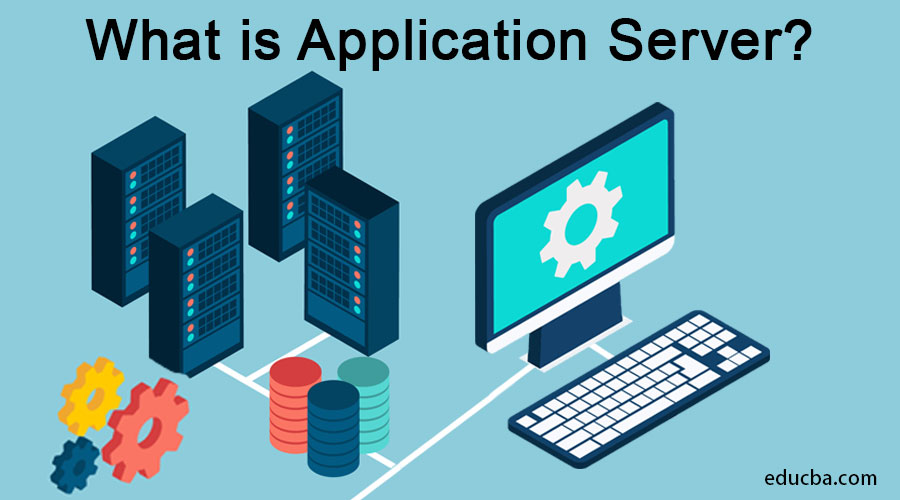
An application server is a software framework that provides an environment to develop, deploy, and run applications efficiently.
It works as a middle layer between:
- Client (Frontend) – Browser or mobile app
- Backend (Database) – Data storage systems
👉 In simple terms:
- Web server = delivers static content
- Application server = processes logic & delivers dynamic content
How Does an Application Server Work?
Here’s a simple workflow:
- User Request – User submits a request (login, purchase, etc.)
- Web Server – Receives request and forwards it
- Application Server – Processes business logic
- Database – Fetches or updates data
- Response – Sends processed result back to user
Key Features of Application Servers
1. Scalability
Handles thousands of users by scaling resources efficiently.
2. High Performance
Uses:
- Caching
- Multithreading
- Connection pooling
3. Security
Provides:
- Authentication
- Authorization
- Data encryption (SSL/TLS)
4. Transaction Management
Ensures secure and complete operations (e.g., money transfer).
5. Centralized Management
Monitor and control applications from a single dashboard.
Benefits of Using an Application Server
✔ Faster application development
✔ Better performance under heavy traffic
✔ High availability with failover support
✔ Improved security
✔ Easy maintenance & updates
Application Server vs Web Server
| Feature | Web Server | Application Server |
|---|---|---|
| Function | Static content | Dynamic content |
| Example | HTML, Images | Login systems, transactions |
| Processing | Simple | Complex logic |
| Resource Usage | Low | High |
👉 Conclusion: Both work together to deliver modern web applications.
Types of Application Servers
1. Java-Based Servers
- Apache Tomcat
- WildFly (JBoss)
- GlassFish
2. .NET Servers
- Microsoft IIS
3. Open Source Servers
- Free & flexible
- Community support
4. Commercial Servers
- Enterprise-level support
- High performance
Popular Application Server Examples
- Apache Tomcat – Lightweight & widely used
- WildFly (JBoss) – Powerful open-source server
- IBM WebSphere – Enterprise-grade solution
- Oracle WebLogic – High-performance server
- GlassFish – Java EE reference implementation
Real-World Use Cases
Application servers are used in:
✔ E-commerce websites
✔ Banking systems
✔ Social media platforms
✔ Healthcare systems
✔ Government portals
Application Server Architecture
3-Tier Architecture
- Presentation Layer – User interface
- Application Layer – Business logic
- Data Layer – Database
Challenges of Application Servers
❌ Complex setup
❌ High resource usage
❌ Expensive (for enterprise solutions)
❌ Vendor lock-in risk
Future of Application Servers
1. Cloud Computing
More apps are shifting to cloud platforms like AWS & Azure.
2. Microservices Architecture
Apps are divided into smaller independent services.
3. Serverless Technology
No need to manage servers manually.
4. AI Integration
Smart monitoring & automation using AI.
FAQs
1. What is the main difference between a web server and an application server?
A web server delivers static content, while an application server handles dynamic content and business logic.
2. Why are application servers important?
They ensure scalability, security, and efficient processing of complex applications.
3. Is Apache Tomcat an application server?
It is a lightweight application server mainly used for Java applications.
4. Which is the best application server?
It depends on your needs:
- Enterprise → WebSphere, WebLogic
- Open-source → Tomcat, WildFly
Conclusion
Application servers are the core engine of modern web applications. They handle business logic, manage transactions, and ensure seamless communication between users and backend systems.
With the rise of cloud computing, microservices, and AI, application servers continue to evolve, making them essential for businesses of all sizes.