
In today’s fast-paced digital world, choosing the right Virtual Private Server (VPS) is crucial for building a strong online presence. Whether you’re running a blog, eCommerce store, or business website, the right VPS hosting ensures speed, security, and scalability.
This guide will help you understand everything you need to know about selecting the best VPS server for your needs.
What is a VPS Server?
A Virtual Private Server (VPS) is a hosting solution that provides dedicated resources within a virtual environment. Unlike shared hosting, VPS offers:
- Better performance
- More control
- Improved security
- Scalable resources
Why Choosing the Right VPS Matters
Selecting the wrong VPS can lead to:
- Slow website speed
- Frequent downtime
- Poor user experience
- Lost traffic and revenue
The right VPS ensures:
✔ High performance
✔ Reliability
✔ Business growth
1. Define Your Requirements First
Before choosing a VPS, ask yourself:
- What type of website are you building?
- How much traffic do you expect?
- Do you need high storage or bandwidth?
Example:
- Blog → Low resources
- eCommerce → Medium to high resources
- Web apps → High CPU & RAM
👉 Understanding your needs helps you avoid overpaying or underperforming.
2. Types of Hosting You Should Know
Shared Hosting
Best for beginners with low traffic websites.
VPS Hosting
Balanced option with:
- Dedicated resources
- Better performance
- Customization
Dedicated Server
Best for large businesses needing:
- Full control
- Maximum performance
3. Choose the Right Operating System
Your VPS OS impacts performance and usability.
Linux VPS
- Secure and stable
- Open-source
- Ideal for developers
Windows VPS
- User-friendly
- Best for ASP.NET apps
- Supports Microsoft tools
👉 Choose based on your technical skills and project requirements.
4. Check Network Infrastructure
A strong network ensures faster loading and uptime.
Look for:
- High-speed connectivity
- Low latency
- Multiple data center locations
👉 Closer server = Faster website speed
5. Select a Reliable Hosting Provider
Choosing a trusted hosting provider is key.
Popular VPS hosting platforms include:
- Host-World
- DigitalOcean
- Amazon Web Services
- Hostinger
What to Check:
- Uptime guarantee (99.9%+)
- Customer reviews
- Security features
- Scalability options
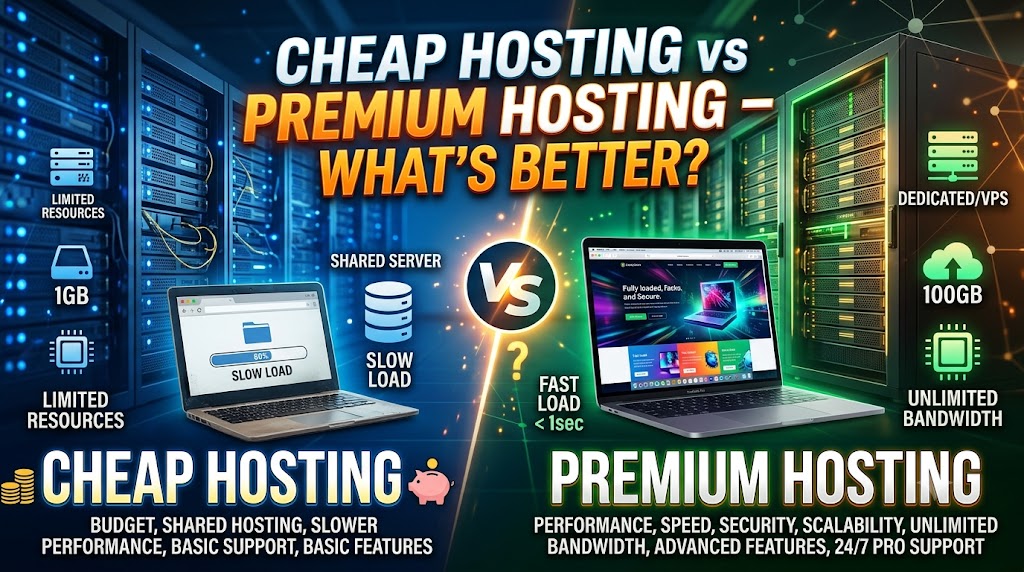
6. Budget vs Performance
Don’t just choose the cheapest option.
Compare:
- CPU & RAM
- Storage (SSD preferred)
- Bandwidth
👉 Cheap hosting can cost more in the long run due to downtime and poor performance.
7. Customer Support Matters
Good support can save your website during emergencies.
Choose providers offering:
- 24/7 support
- Live chat or phone support
- Fast response time
8. Scalability for Future Growth
Your VPS should grow with your business.
Look for:
- Easy upgrades
- Flexible plans
- Cloud scalability